


Designing Integrated Spaces for Healthier Communities in Wales
The concept of co-location (bringing health, leisure and community services together under one roof) has particular relevance in Wales, where public bodies are increasingly working in partnership to improve population wellbeing and deliver services more efficiently.
Co-located facilities represent a shift in the way we think about health, moving beyond traditional clinical settings to create welcoming, community-centred places where people can move more, socialise and access support that helps them lead happier and healthier lives.
The Case for Integration in Wales
Across the UK, and especially in Wales, ‘Health and Wellbeing Hubs’ are emerging as the blueprint for future delivery. These are places where GP surgeries, physiotherapy suites, libraries, fitness studios, gyms, cafés, community rooms, children’s play areas and more, come together to offer services for local people to access all in one place.
The benefits in Wales include:
- Improved population health: By embedding physical activity and preventative services within everyday life, hubs support the long-term shift toward prevention prioritised by Welsh Government and NHS Wales.
- Stronger community cohesion: Shared, inclusive spaces encourage social interaction across generations, supporting mental wellbeing and reducing loneliness, an issue recognised across Welsh communities.
- Better use of public investment: Co-locating services enables public bodies to pool resources, share operational costs and reinvest into frontline services, supporting the pressures facing both local authorities and health boards.
Co-location is not just simply about sharing a building. True co-location happens when design, programming and service delivery are aligned, so that every visit provides opportunities to access new activities and services.
Co-location also breaks down barriers. People who may feel uncomfortable entering a clinical environment often feel more at ease engaging with services in a leisure or community setting, which is an important consideration for tackling health inequalities across Wales.
Alignment with Welsh Government Policy Priorities
Co-location supports a number of key Welsh Government policies, including:
- The Wellbeing of Future Generations Act 2015, by bringing together multiple stakeholders and services within an integrated facility. Co-location naturally embodies the Act’s five ways of working: prevention, integration, involvement, collaboration and long-term impact.
- A Healthier Wales, which promotes a seamless health and social care system, shifting from treating illness to supporting wellbeing.
- Welsh local authority regeneration strategies, which prioritise revitalising town centres and creating anchors that keep services local, accessible and sustainable.
Healthcare to Wellbeing: The Role of Design
Our development partner, Alliance Leisure, has worked with local authorities across Wales for over two decades to transform leisure provision. Increasingly, these projects involve close collaboration with Welsh health boards and NHS Wales partners to bring clinical and wellbeing services together.
Successful co-located projects rely on a range of design principles including:
- Visibility and accessibility
Placing leisure and health services side-by-side makes support more approachable and reduces stigma, especially for people who may not view themselves as traditional gym users. - Flexible, shared spaces
Studios and community rooms can move seamlessly between group exercise, falls-prevention classes, cardiac rehabilitation, community meetings or outreach sessions, reflecting the diverse needs of Welsh communities. - A warm, non-clinical experience
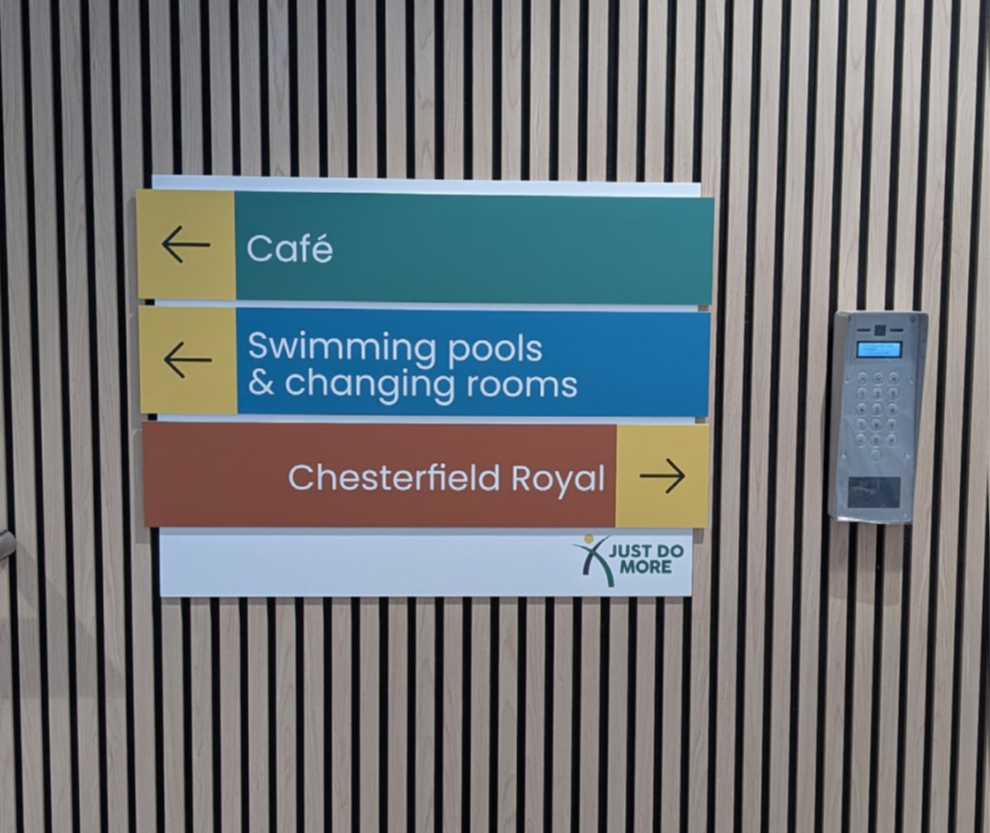
Co-located hubs should feel vibrant, inclusive and distinctly community driven. Branding, signage and wayfinding must remain consistent to ensure visitors experience the building as one integrated facility, not a collection of separate departments.
Welsh Examples of Integration in Practice: Caerphilly Leisure and Wellbeing Hub
Currently under construction and due for completion in early 2027, this £38 million flagship development, procured through the UK Leisure Framework, reflects Caerphilly County Borough Council’s ‘Place Shaping programme’ and ‘Sport and Active Recreation Strategy (2019–2029)’.
Caerphilly Leisure and Wellbeing Hub will bring together fitness, sport, wellbeing and community spaces, all under one roof, demonstrating Wales’ commitment to modern, integrated public facilities.


Learning from across the UK: Clay Cross Active
A useful model for co-location projects in Wales is Clay Cross Active, a £26m project delivered by Alliance Leisure for North East Derbyshire Council. This new community hub brings together a range of wellbeing services all under one roof, including a brand new gym, swimming pool, wellness suite, soft play, TAGactive arena, and importantly, integrates NHS-linked and other community services on-site including maternity clinics, Citizens Advice and NHS-standard consultation rooms.
For Wales, this type of approach highlights how co-location can support both reactive healthcare and proactive wellbeing, all in one place.


Partnership and Procurement
Through the UK Leisure Framework, public sector organisations can access a fully compliant, accelerated procurement route. This helps projects move forward with confidence, reducing cost and risk while maintaining transparency and quality.
With Alliance Leisure as our experienced development partner, we’ve refined a partnership model that helps local authorities navigate the complexity of co-location, from concept and consultation through to design, funding and delivery.
By involving health boards, local authorities and community partners from the earliest stage, we ensure facilities are designed around outcomes that matter to Welsh communities, not just around operational departments.