


Delivering Active Wellbeing with Confidence: The Role of the UK Leisure Framework
After attending a number of conferences and networking events in the first half of the year, most recently at UKREiiF, it is clear there has been a shift in how local authorities view leisure. What was once seen as a discretionary service is now being recognised as a key part of the wider public service offer, contributing to healthier, resilient populations.
The language has changed too. We now talk about active wellbeing rather than simply sport or fitness. That reflects a broader ambition to support prevention, reduce pressure on health services and create spaces that bring people together in ways that feel natural and accessible.
For many procurement and regeneration teams, the ambition is not the challenge. The real question is how to deliver projects that meet these expectations while navigating cost pressures, governance requirements and limited internal capacity. This is where the UK Leisure Framework (UKLF) becomes a practical tool rather than just a procurement route. Through the Framework, we’ve been on this transformation journey for a number of years, taking old, tired facilities and creating inviting destinations for local communities and visitors.
The UKLF was designed to do one thing well. It enables local authorities to move from idea to delivery with greater clarity and confidence. It provides a compliant route to appoint a specialist development partner (Alliance Leisure) and supports the entire process from early feasibility through to completion. That continuity is important, particularly as projects become more complex and expectations around outcomes continue to grow.
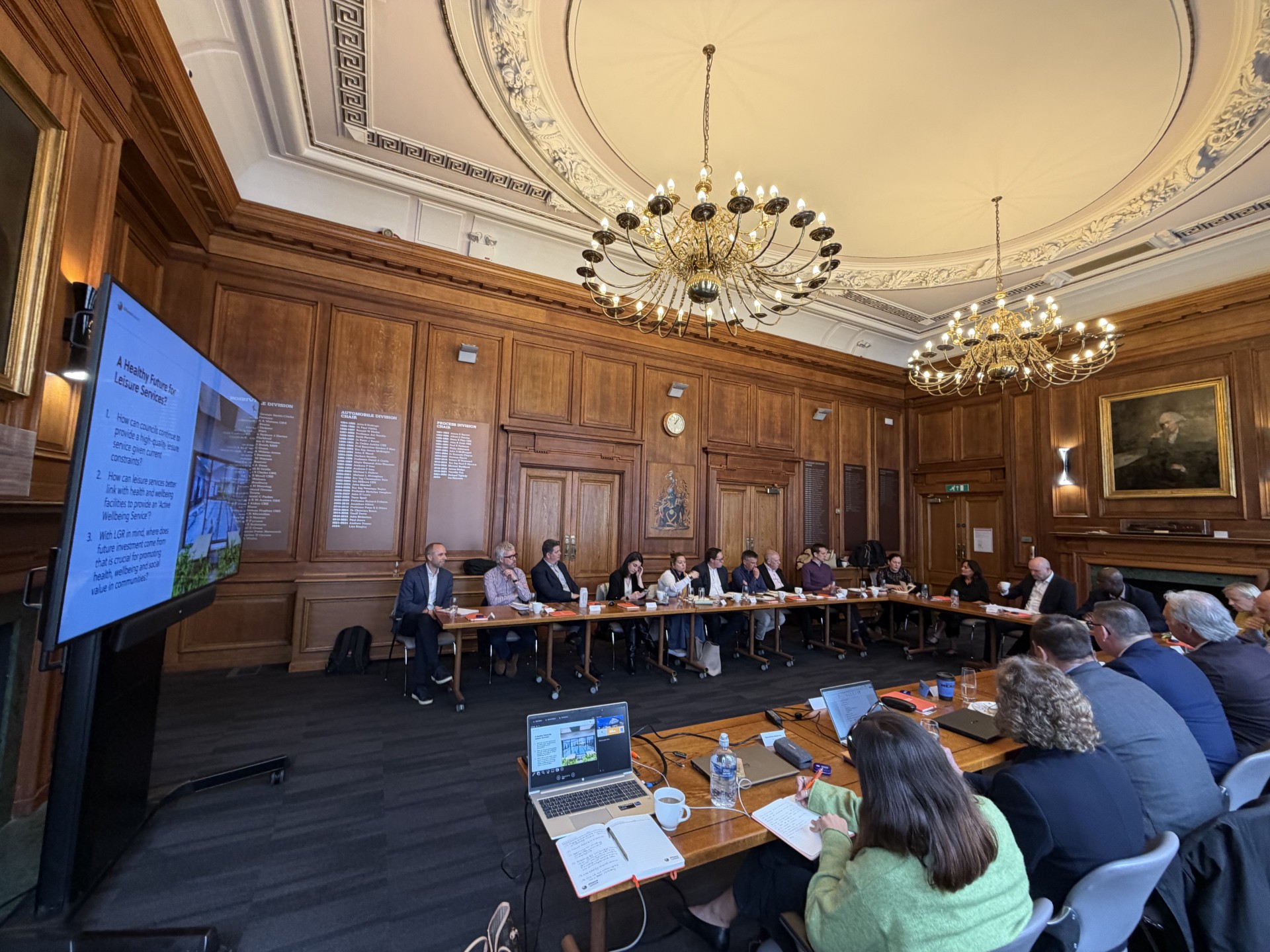
In April, our development partner Alliance Leisure hosted a roundtable with partners Solace and over 20 senior leaders from local authorities, and what came through strongly is the need to think differently about leisure assets. Facilities are no longer standalone buildings. They are increasingly seen as long term community infrastructure with a role to play in health improvement, social connection and local economic activity.
Active wellbeing hubs are a good example of this shift. By bringing together physical activity, health services and community provision, they create environments that fit more closely with how people live their lives. The aim is not just to provide a place to exercise, but to support wider wellbeing in a way that feels inclusive and relevant. Take, for example, Clay Cross Active which sees leisure integrate with NHS services and Citizens Advice.
Delivering this type of project requires a more joined up approach. Early decisions around design, cost and scope have a lasting impact, particularly in a market shaped by inflation, supply chain pressures and changing regulatory requirements. Treating development stages as separate exercises can lead to inefficiencies or missed opportunities. A more integrated approach helps manage risk and gives greater control over outcomes from the outset.
From a procurement perspective, the framework provides a route that balances pace with compliance. It reduces the time and resource needed to bring projects forward, while maintaining transparency and a clear focus on value. That is often the balance authorities are seeking when delivering capital programmes in a challenging environment.
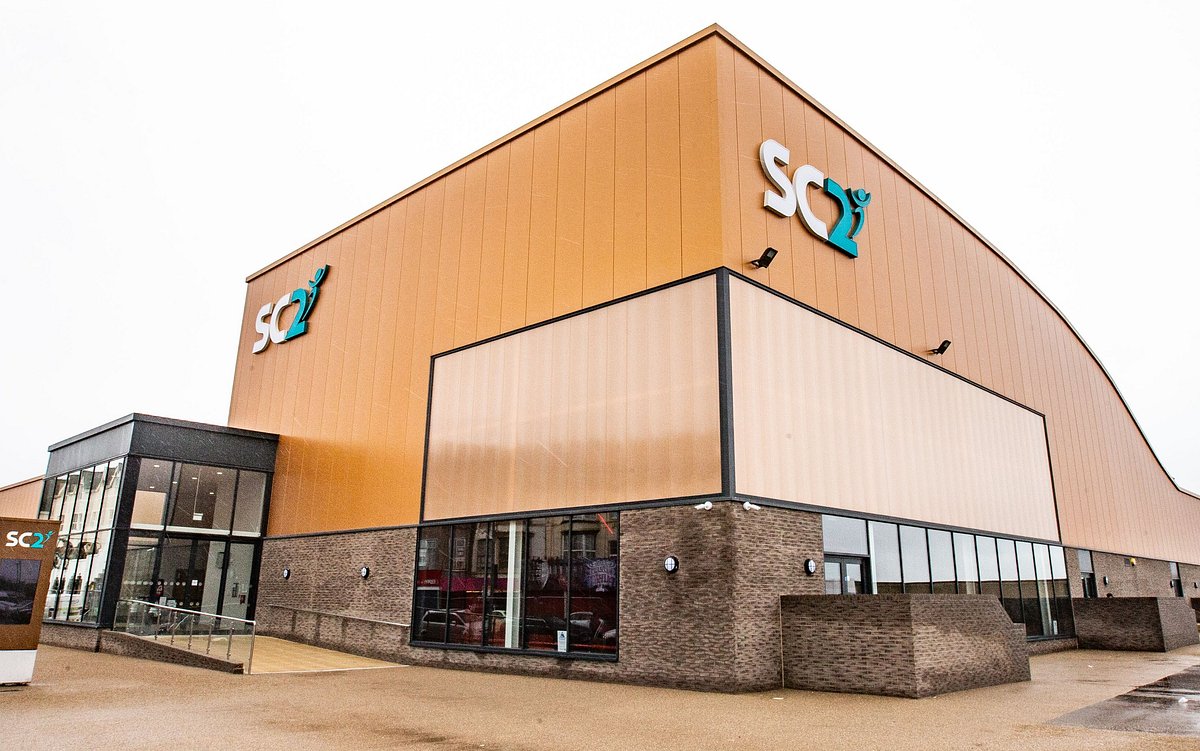
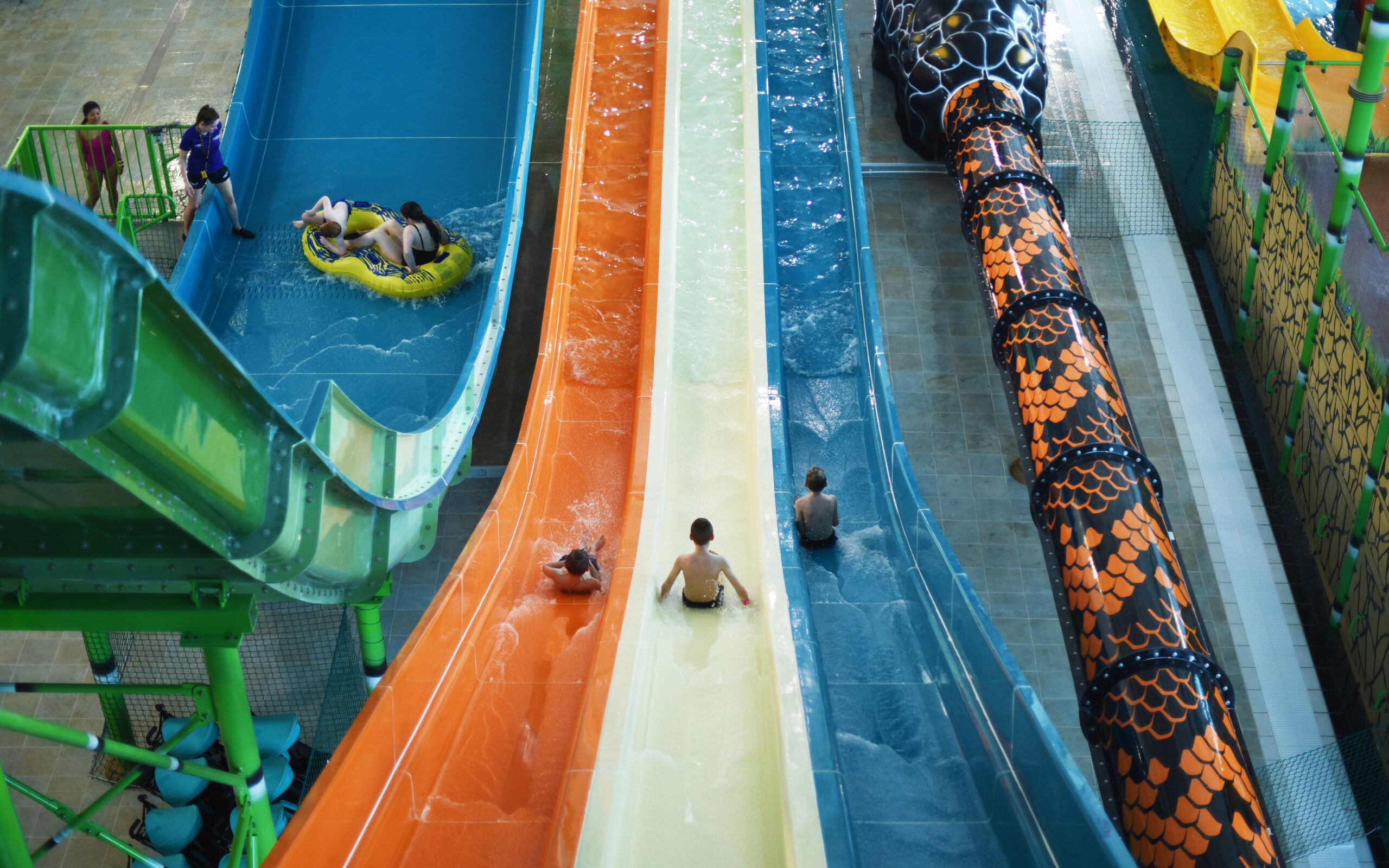
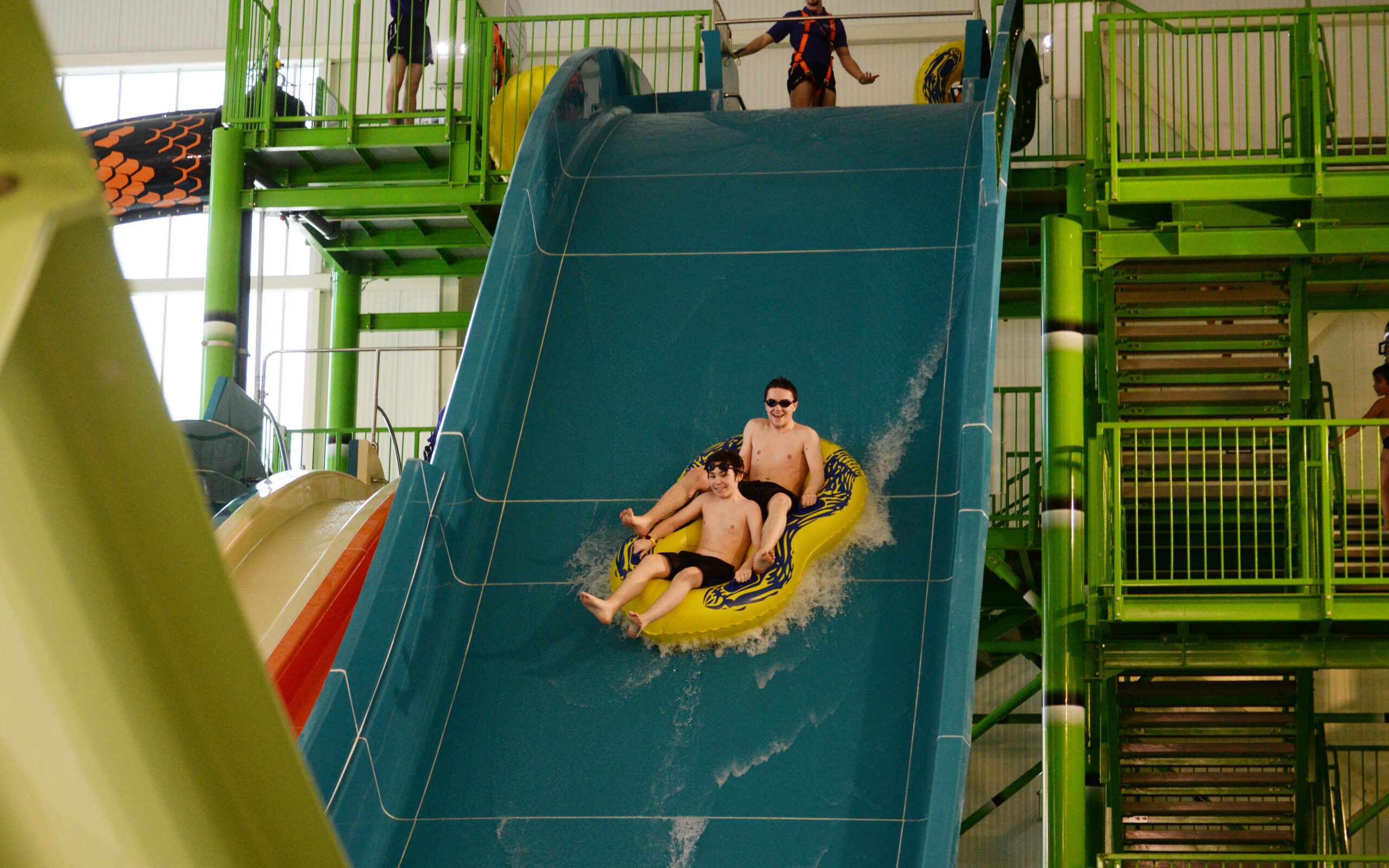
For regeneration teams, the opportunity is wider. Investment in leisure is increasingly linked to place development. New or transformed facilities can support town centre renewal, complement housing growth and provide a focal point for communities. When leisure is considered alongside health and community uses, it helps create destinations that attract regular use rather than occasional visits. A great example of this is the SC2 waterpark on Rhyl seafront which was a trigger for investment into the town. Almost 10 years on from when we completed SC2 the town now boasts a thriving seaside economy again.
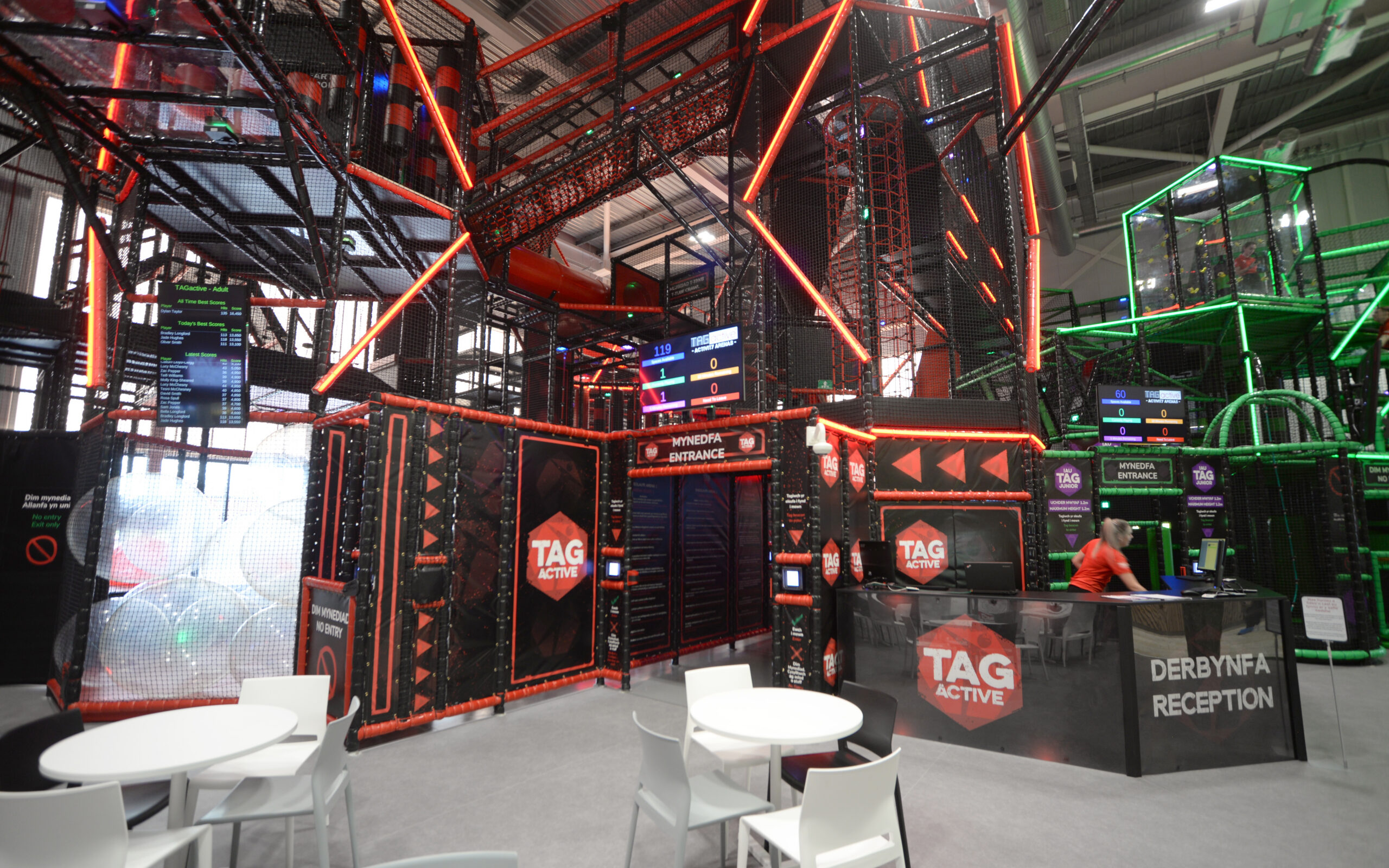
It is important to recognise that there is no standard solution however. Every authority is working with a different set of challenges and priorities. Some are focused on ageing stock and operational sustainability. Others are looking at how to support population health or unlock regeneration sites. The UKLF supports this diversity by enabling schemes to be shaped around local need, while still benefiting from shared expertise and a proven delivery approach.
Alliance Leisure’s recent webinar on “Affordability” highlights a defining issue across the sector. There is a growing understanding that reducing capital cost alone does not necessarily lead to better outcomes. Decisions need to consider whole life value, operational efficiency and how a facility will perform over time. Taking that longer view is essential if projects are to remain viable and continue to deliver community benefit well into the future.
The role of the UKLF sits within this context. It is not just about making procurement easier, although that is part of its value. It is about enabling a more confident approach to delivery. One that recognises the importance of leisure within wider policy objectives and provides a route to deliver projects that reflect that ambition. As expectations continue to evolve, so too will the role of leisure within local government. The opportunity for authorities is to make the most of their assets and investment, creating environments that genuinely support active wellbeing. The Framework offers a way to do that with structure, support and a clear focus on outcomes.